Fresno Kitchen Remodeling Contractor: Reliable Remodeling Services
Renovation Excellence: How to Seamlessly Integrate Home Additions With Your Existing Design
Transforming a home necessitates a careful balance of aesthetics and functionality. When integrating additions, one must evaluate the existing design to ensure harmony. Assessing the current layout is vital. It creates the foundation for a cohesive transformation. Selecting the right style and materials can elevate the overall appeal. However, achieving structural integrity while maintaining flow poses its own challenges. What strategies can homeowners employ to navigate these complexities effectively?
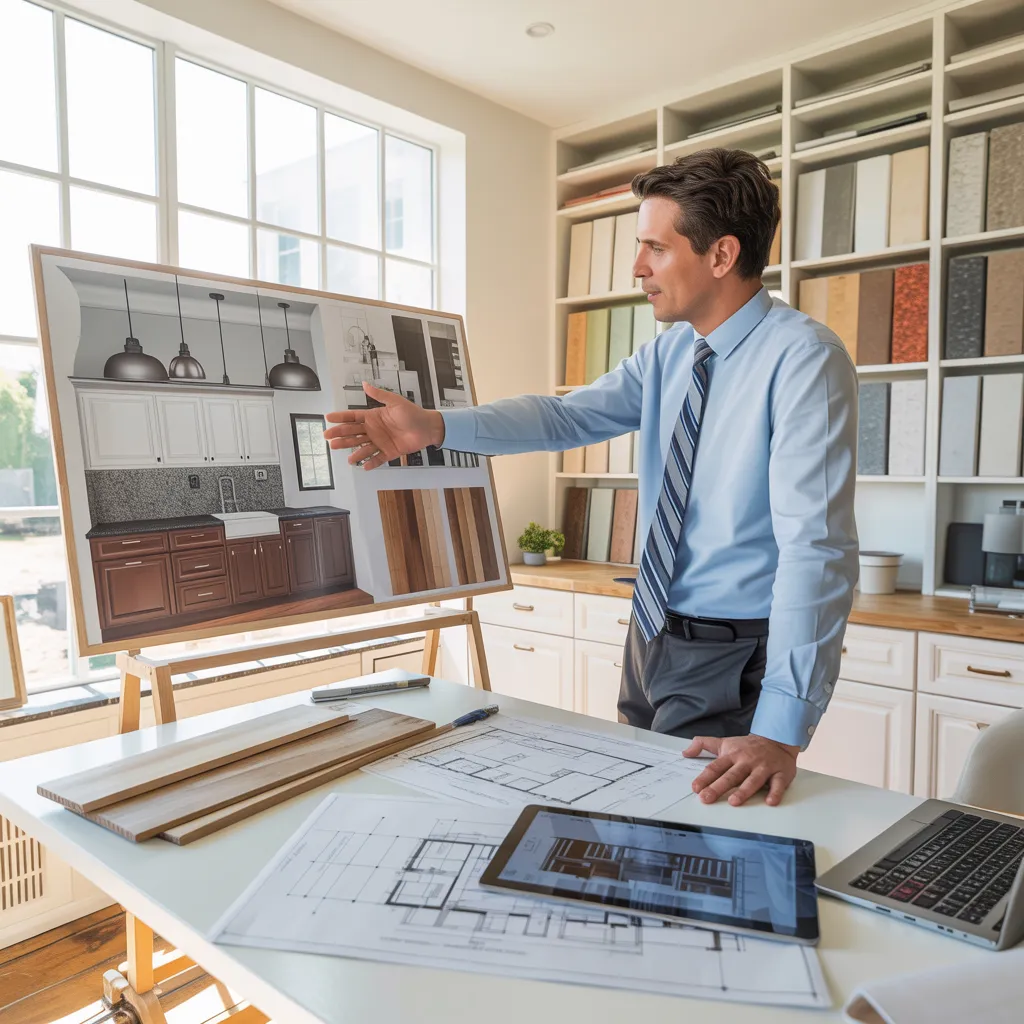
Analyzing Your Existing Design and Space
How does one properly assess their current home layout? First, one should perform a complete walkthrough of their home, documenting the functionality of each space. Watching how rooms are used daily can uncover inefficiencies or constraints that may require a redesign. Furthermore, measuring existing dimensions is critical for understanding spatial limitations. This data will help in visualizing potential changes or additions.
Next, analyzing the flow between areas is crucial. A well-designed layout encourages effortless navigation and accessibility. Identifying bottlenecks or awkward changes can guide future improvements. Additionally, accounting for natural light and ventilation can elevate the overall atmosphere of the home.
Finally, collecting feedback from family members can provide different perspectives on the current layout's advantages and disadvantages. By systematically analyzing these elements, one can establish a firm foundation for any future home addition ideas.
Picking the Perfect Style for Your Extension
Upon thoroughly examining the existing design and space, the next step involves selecting the correct style for the home addition. This decision is crucial, as it will impact not only the aesthetics but also the overall harmony of the home. Homeowners should evaluate the architectural style of the existing structure—whether it is contemporary, classic, or eclectic—and work toward an addition that complements these elements.
Implementing similar materials, colors, and design components can form a smooth connection between the existing and additional spaces. Furthermore, it is essential to examine the use of the addition; whether it serves as a family room, office, or guest suite, the style should complement its purpose. Researching local architectural trends can also offer inspiration while guaranteeing the addition remains appropriate within the neighborhood context. In the end, the right style strengthens both the functionality and visual appeal of the home, building a cohesive living environment.
Maintaining Framework Integrity and Cohesion
Maintaining structural integrity and cohesion in a home addition is critical for the security and longevity of the whole building. This process commences with a detailed assessment of the existing structure to pinpoint load-bearing walls and possible stress points. Hiring a qualified structural engineer is crucial, as they can offer insights into the required reinforcements needed for the new addition.
The link between the extension and the existing structure needs to be seamless, requiring thorough alignment of roofing, framing, and foundations. In addition, employing correct construction methods will improve the stability of both the original and new elements.
Attention to detail during this stage decreases future hazards, such as settling or shifting, which can undermine the addition's longevity. Eventually, a carefully planned approach to structural integrity not only safeguards the property but also promotes a seamless integration of the new space within the overall design.
Picking Materials That Match Your Home's Aesthetic
A harmonious home addition elevates the complete aesthetic appeal of a property while retaining its original charm. Selecting materials that complement the existing structure is vital for achieving this balance. Homeowners should consider color combinations, textures, and finishes that mirror the original design elements. For instance, if the main house features natural wood siding, opting for similar materials in the addition can create a cohesive look.
Architectural style plays a significant role; a modern addition may clash with a traditional home unless carefully executed. When incorporating new materials, it's important to prioritize durability and quality, making certain they last for decades. Moreover, working with design experts may deliver useful recommendations regarding optimal material selections that align with the home's aesthetic. In the end, thoughtful material selection not only enhances the visual appeal while also fortifying the bond between traditional and contemporary features, creating a seamless transformation across the entire home.
Incorporating Purposeful Design Elements
While aesthetics are essential, integrating functional design elements into home additions is equally essential for improving everyday living. A strategically conceived addition not only enhances the existing structure but also serves functional needs. For example, integrating built-in storage solutions can improve space efficiency, reducing clutter and strengthening organization. Moreover, considering natural light through well-positioned windows can elevate mood and energy levels, establishing a more radiant environment.
In addition, open floor plans can enhance flow, making spaces appear larger and more inviting, while also promoting social interaction. Energy-efficient appliances and smart home technology can enhance sustainability and convenience, delivering long-term cost savings.
In the end, harmonizing beauty with functionality guarantees that home additions not only seem appealing but also enrich the daily experiences of the inhabitants, creating a harmonious living environment that meets both aesthetic and practical needs.
FAQ
Which Permits Are Needed for Home Additions?
Home additions typically require building permits, zoning approvals, and possibly environmental assessments. Area ordinances may further mandate inspections throughout the development cycle, ensuring compliance with safety codes and neighborhood guidelines before construction can commence.
How Do I Create a Budget for a Home Addition Project?
To plan a budget for a home addition project, homeowners should evaluate costs for materials, labor, permits, and unforeseen costs. Creating a contingency fund and comparing quotes from building contractors also facilitates effective financial planning.
What Are the Best Times of Year for Remodeling?
Spring and early autumn are frequently regarded as the ideal periods for remodeling projects. Moderate climate conditions support outside projects, while steering clear of extreme summer temperatures or winter freezing can result in more efficient timelines and reduced costs.
How Do I Locate a Dependable Contractor for My House Addition?
To find a reliable contractor for an addition, one should obtain recommendations, review online reviews, verify credentials, request quotes, and conduct interviews. Trustworthiness and communication are essential elements to evaluate during the selection process.
What Impact Will an Addition Have on My Home's Resale Value?
Adding space to your home can additional information significantly increase a home's resale value, especially if it matches neighborhood trends. Buyers often seek extra space, so carefully designed additions can yield a solid return, appealing to potential buyers and enhancing market appeal.